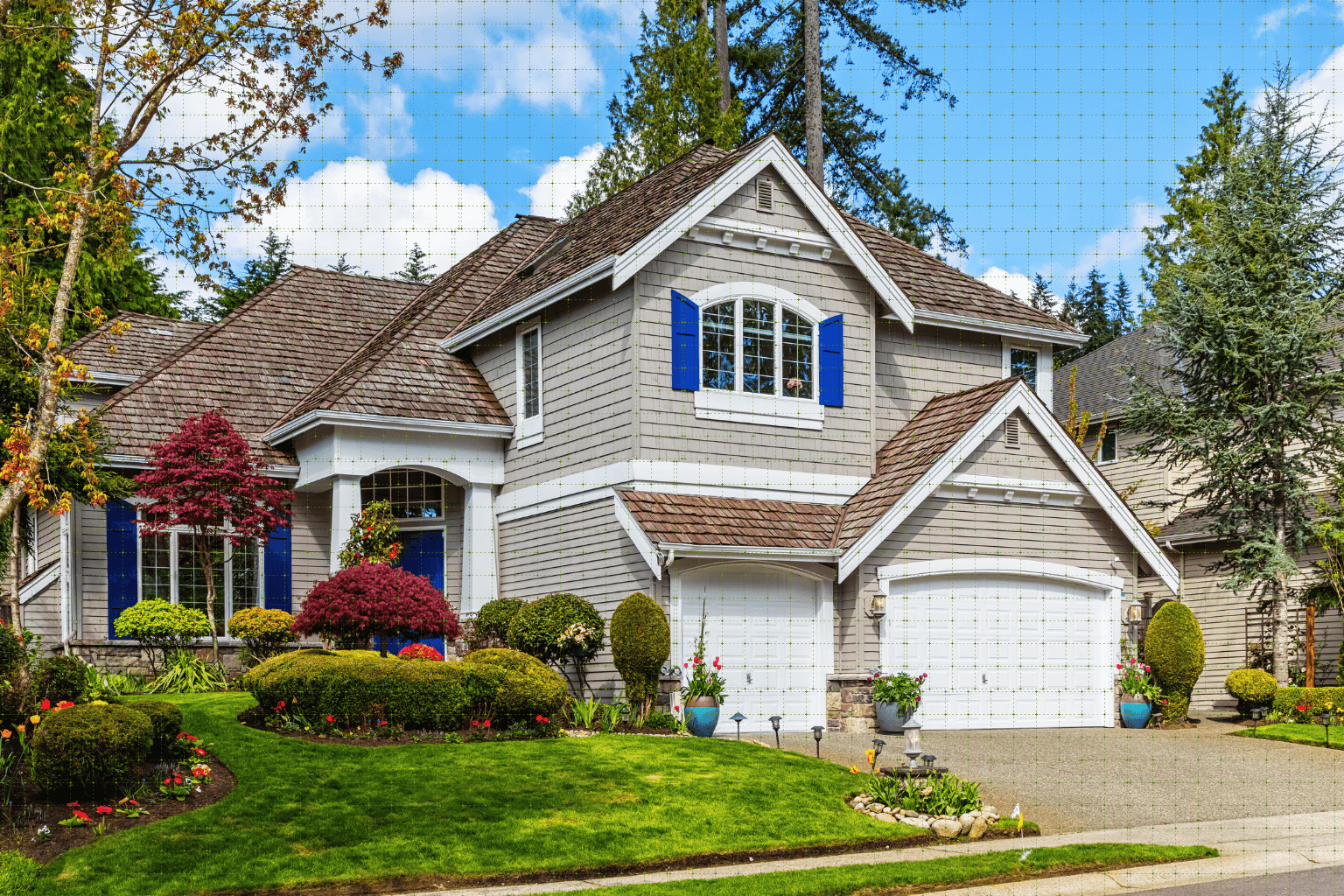
Age matters most
Asphalt shingle roofs in California typically last 20–30 years. A 10-year-old roof with a single leak is almost always a repair. The same leak on a 25-year-old roof often signals replacement is overdue.
Answer a few guided questions about age, severity, and your goals. We'll give you a clear, checklist-based recommendation you can read line by line — no black box, no sales pressure.
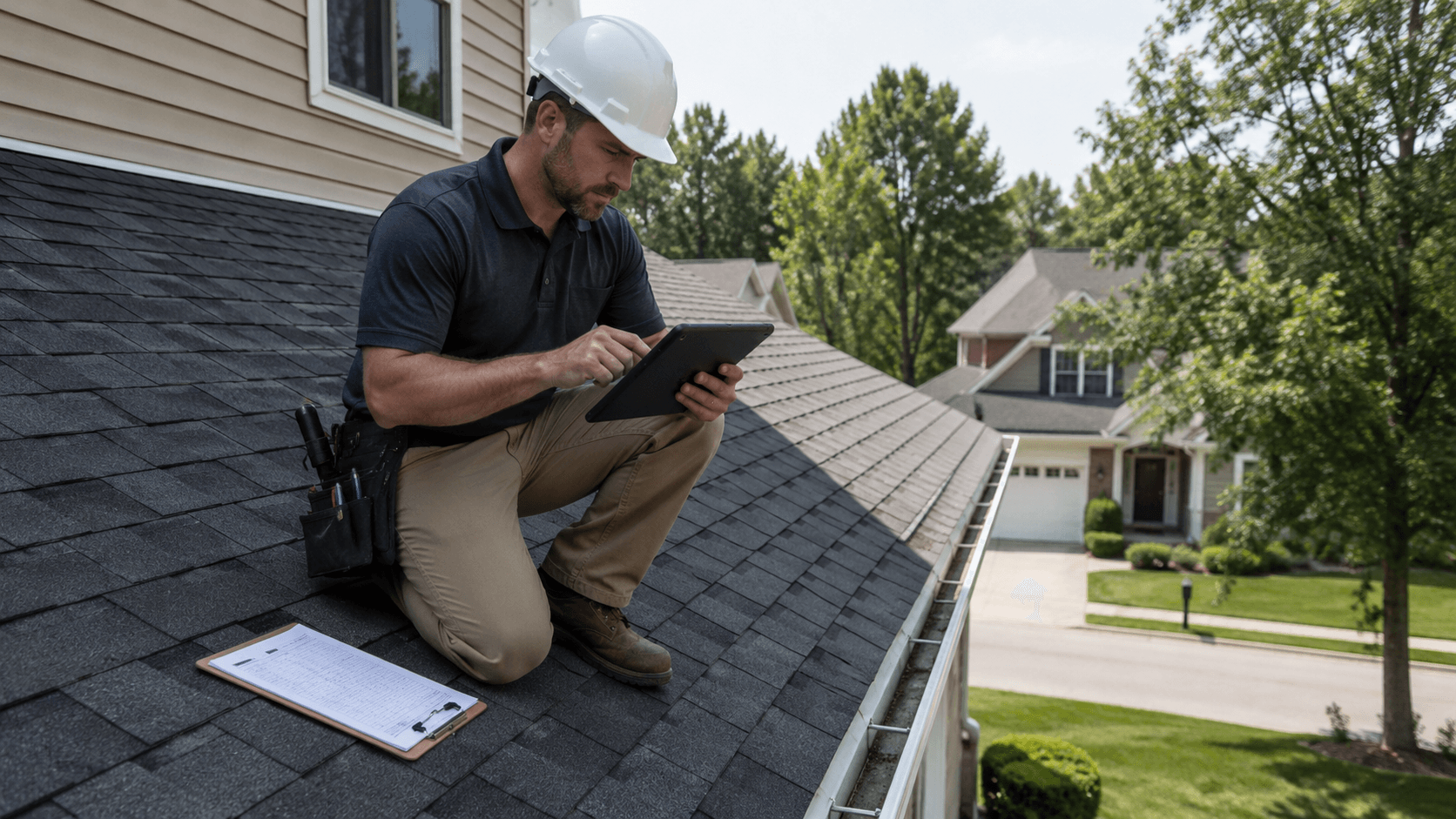
The same leak can mean two very different decisions. Here's what usually points each way.
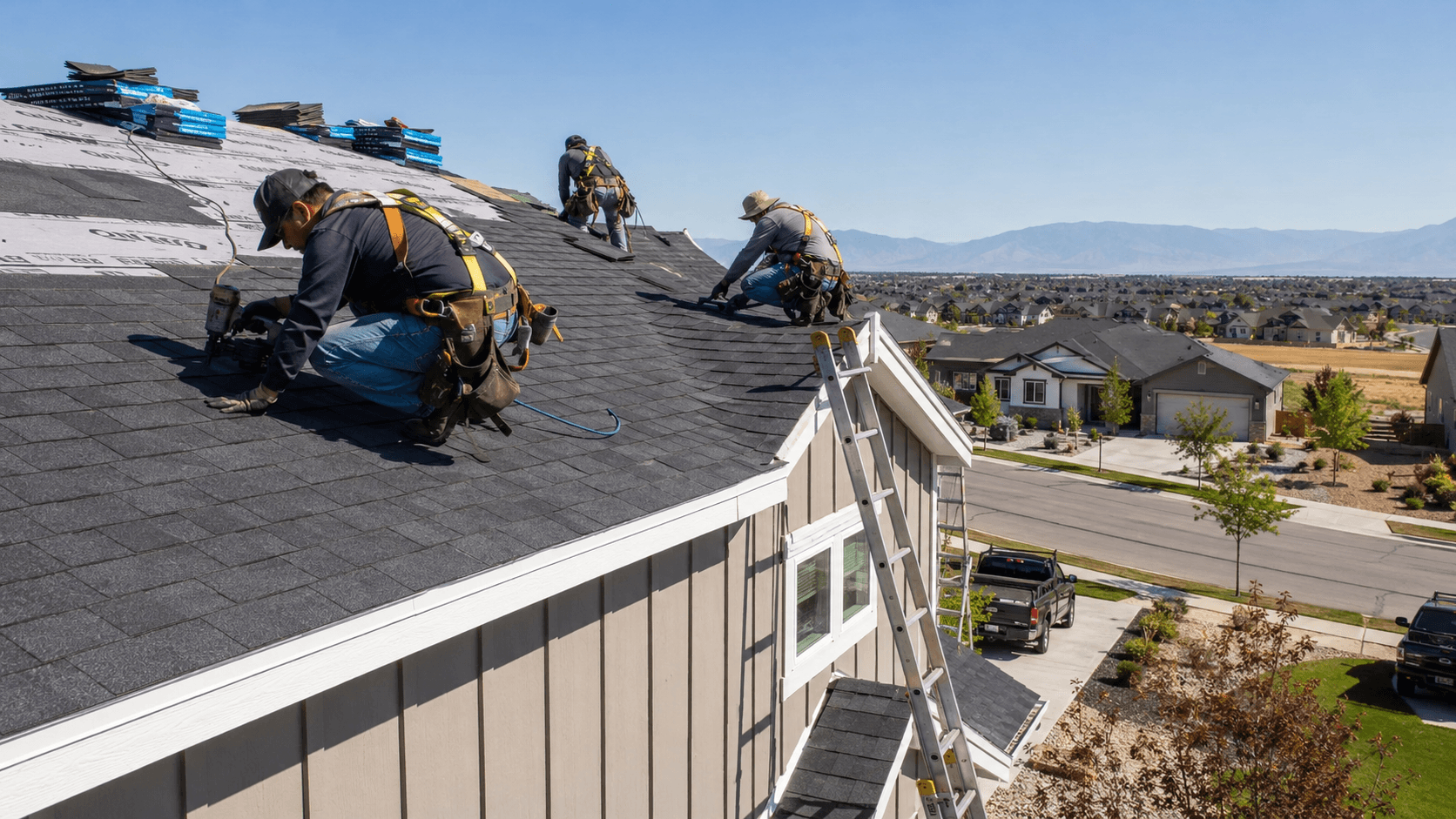
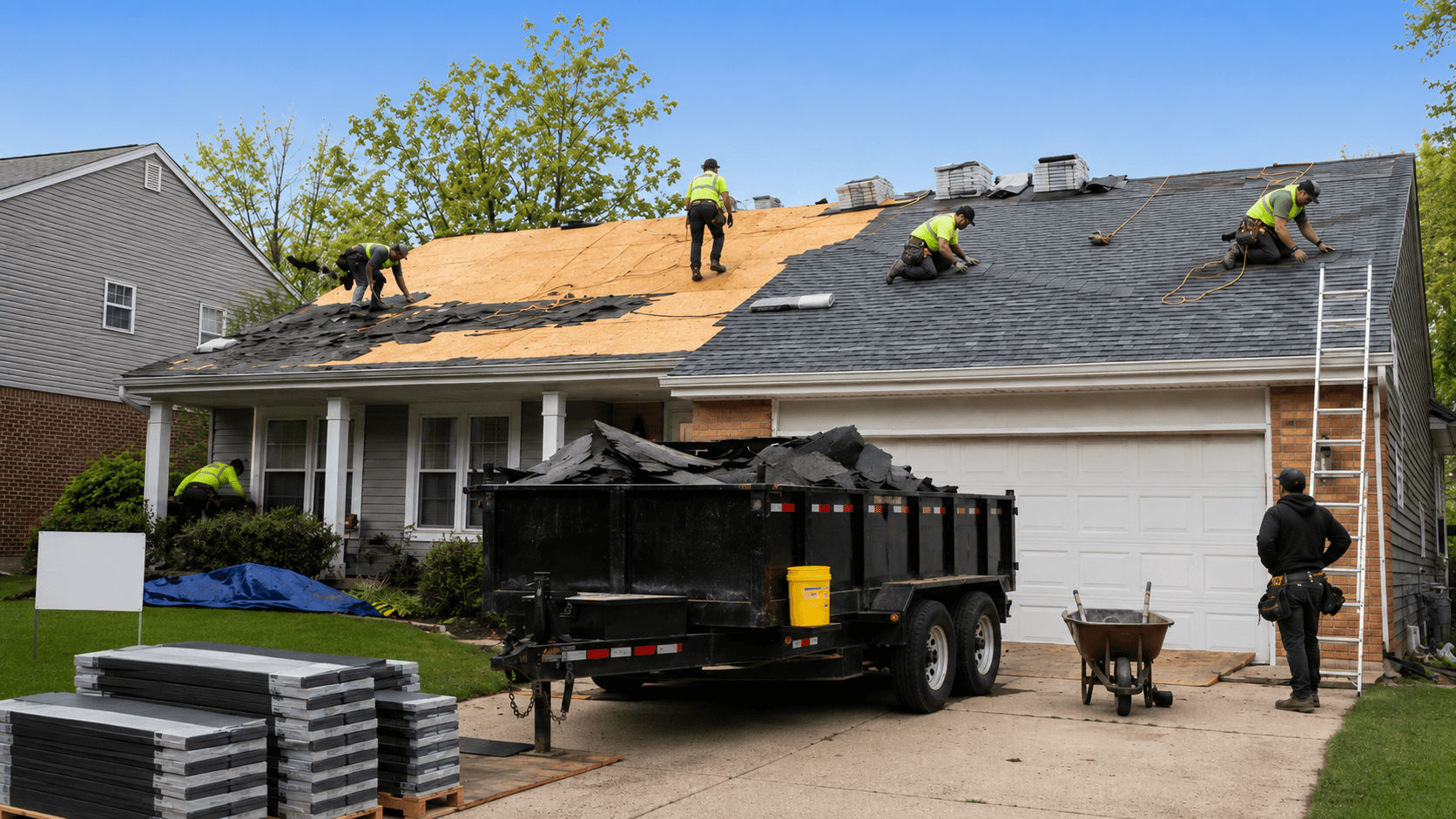
Every recommendation is built from these factors — and the tool shows you exactly which ones tipped the result.
Asphalt shingle roofs in California typically last 20–30 years. A 10-year-old roof with a single leak is almost always a repair. The same leak on a 25-year-old roof often signals replacement is overdue.
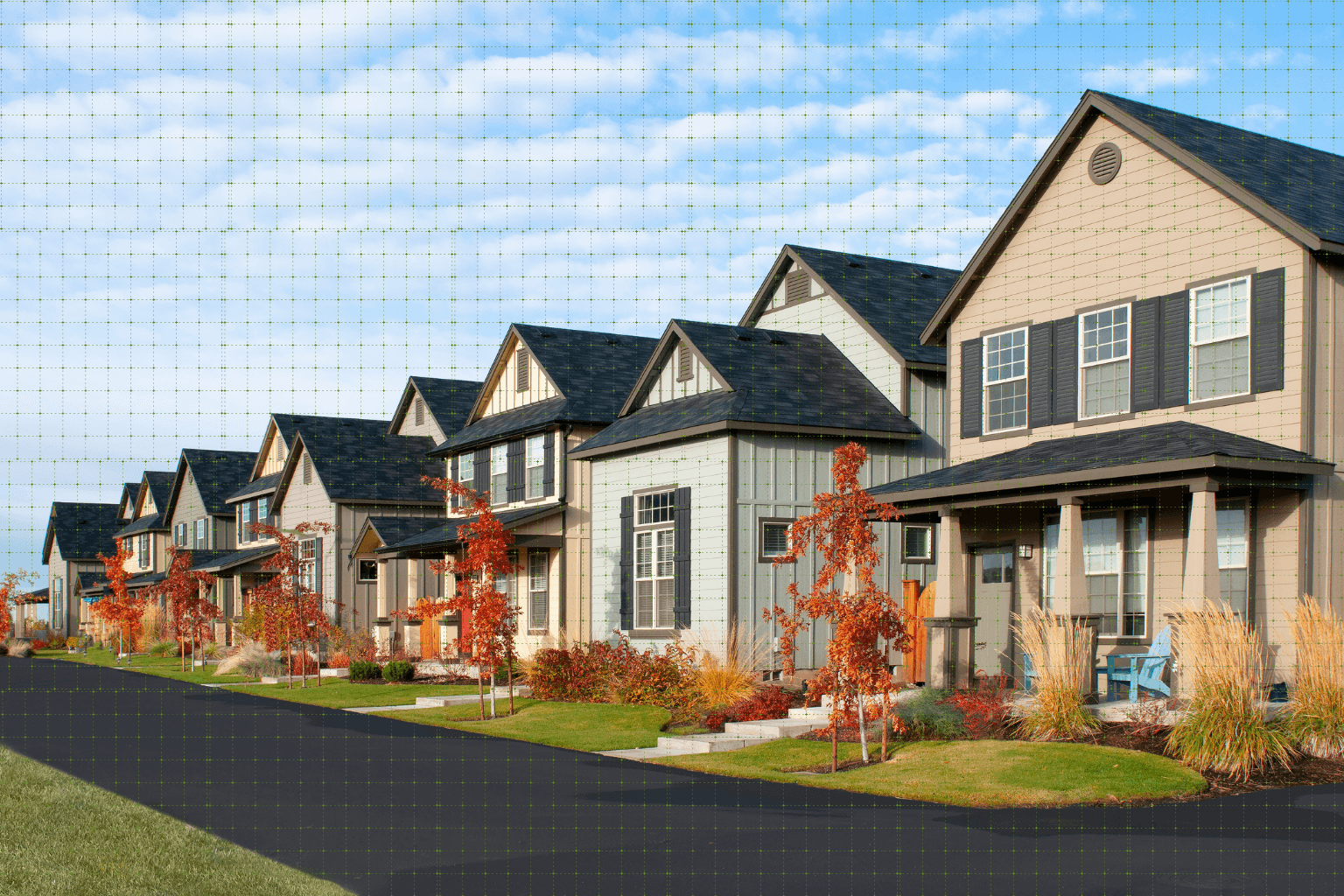
A single leak at a flashing transition — chimney, skylight, valley — is usually repairable. Leaks in multiple unrelated areas suggest the shingles have broadly failed and replacement is more cost-effective.
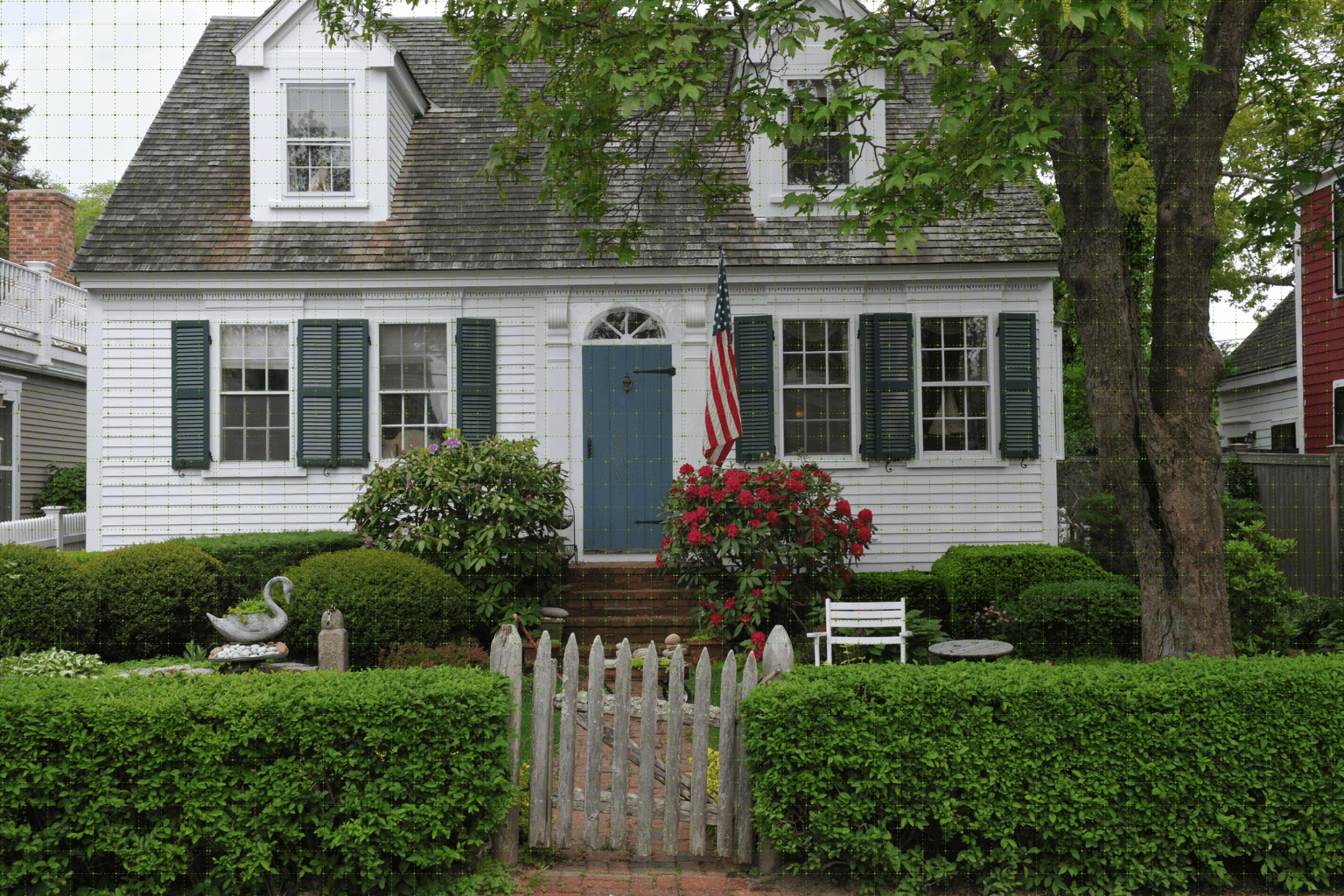
California code limits most roofs to two shingle layers. If yours already has two, replacement means a full tear-off. Rotten decking found during tear-off adds cost repair estimates rarely account for.
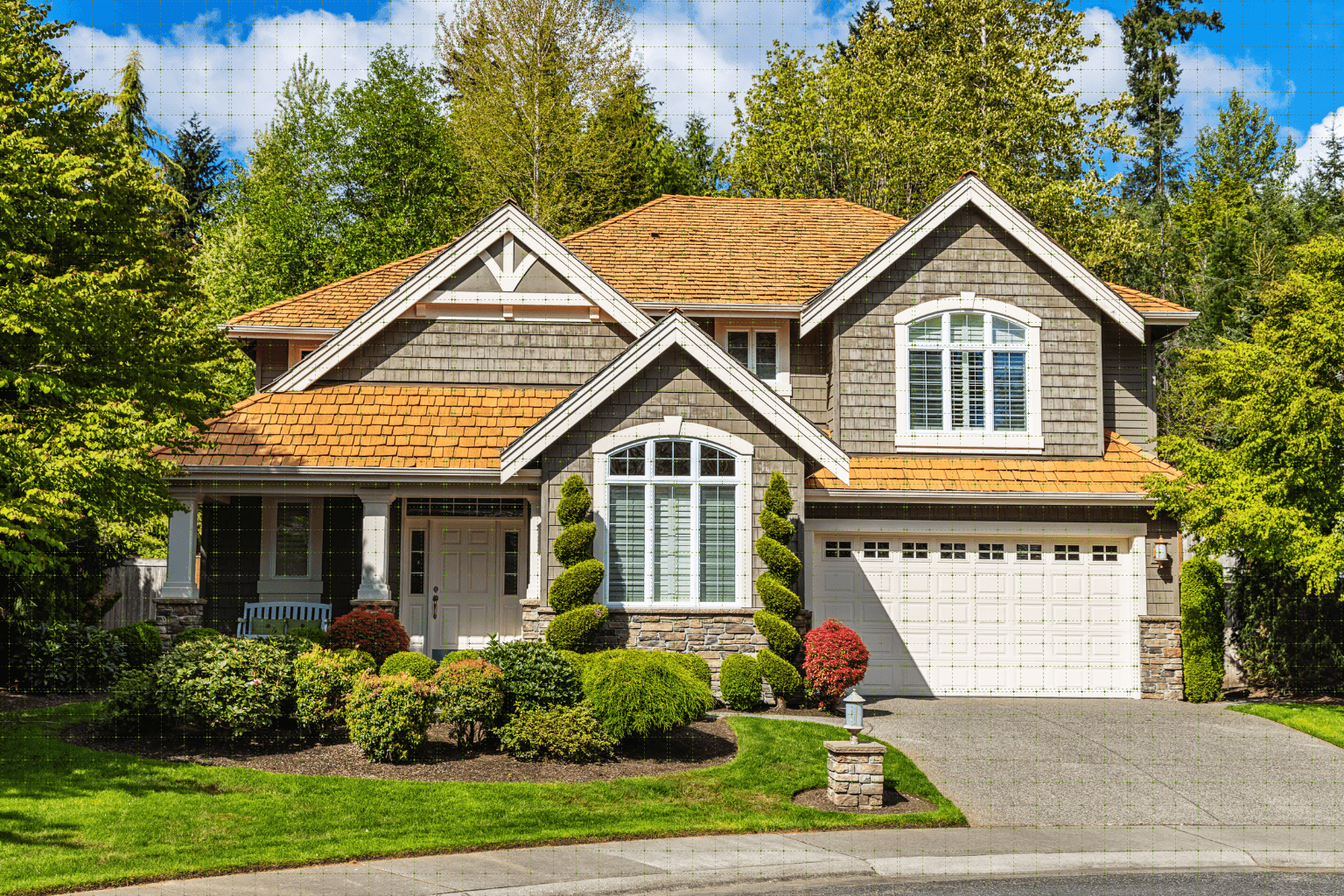
Some California insurers won't renew policies on older roofs. A new roof can lower premiums, and modern cool-roof materials cut attic heat inland — sometimes making replacement the better value even with life left.

The tool applies a rule-based framework to the answers you provide. Each factor — roof age relative to expected lifespan, leak severity, number of affected areas, history of prior repairs, and your budget range — contributes to a weighted outcome. The result is one of three recommendations: repair, replace, or get an inspection before deciding.
The reasoning is shown alongside the recommendation so you can see exactly which factors drove the result. If you disagree with a factor — for example, if you know your roof was partially replaced recently — you can adjust your answers and rerun. There is no black box.
The repair-or-replace tool currently covers roofing. We are developing the same rule-based guidance framework for HVAC systems, windows, plumbing, and garage doors. If you have a project in one of those categories, post it privately and we'll follow up when coverage is available.
No. The repair-or-replace tool is a rule-based decision assistant, not advice from a contractor or inspector. It applies a transparent set of criteria — age, severity, leak pattern, prior repairs, and budget — and shows its reasoning so you can evaluate the result yourself.
Yes. The tool helps you frame the question before you spend money on professional opinions. An independent licensed inspector can assess things no questionnaire can, especially hidden structural damage, rotten decking, or failing underlayment.
Repair tends to be appropriate when the roof is less than halfway through its expected lifespan, the damage is isolated to one area (a single leak, a few missing shingles), no prior attempts to patch the same area have failed, and the repair estimate is well under half the cost of full replacement.
Replacement is usually the better value when the roof is within a few years of end of life, leaks are appearing in multiple locations, the deck or structure is compromised, your homeowner's insurance requires it, or multiple repair estimates have come back near or above 50% of replacement cost.
Use the recommendation to sharpen your conversation with contractors. If the tool suggests replacement, ask roofing contractors to quote full replacement and use the HomeGoSmart Quote Check to review those quotes. If it suggests repair, ask for a scoped repair quote with warranty terms.